At CFI, we engineer custom screws nuts and bolts every day. One of the methods we use is called Cold Heading or Cold Forming. To answer the basic question, there is no difference between cold forming and cold heading, so the terms are truly interchangeable. The real difference is between
Stainless Steel Fasteners vs. Coated Fasteners in Plastic Assemblies
How to balance Corrosion Resistance and Cost Efficiency for end users When fastener engineers and injection molding engineers work together, projects often start with targeted goals for the component. Two goals that we often work toward with any partner at CFI are corrosion resistance and cost efficiency. With injection molding
Heat Set Inserts vs. Ultrasonic Inserts: Optimizing Fastener Selection for Injection Molded Plastic Assemblies
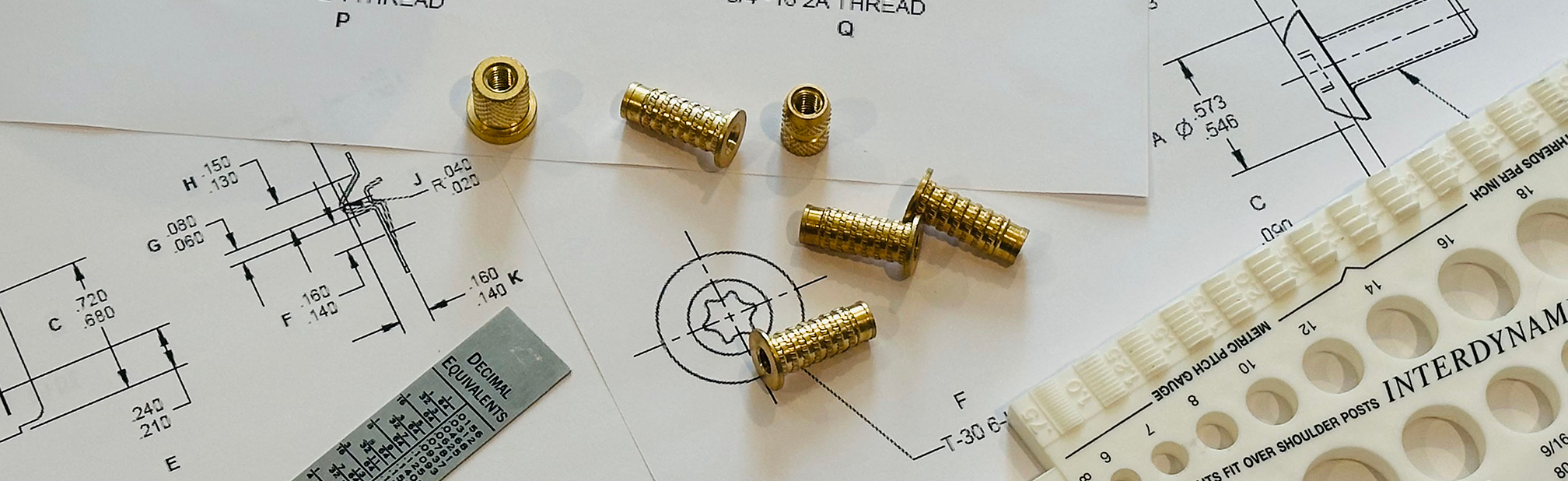
Fastener selection plays a vital role in determining long-term part integrity, assembly repeatability, and structural performance. Among the most widely used fastening methods for thermoplastics are heat set inserts and ultrasonic inserts. Both methods deliver durable, threaded metal connections, but they differ in how they interact with molded materials and
The Rise of Lightweight Fasteners: Meeting the Demands of EV and Aerospace Sectors
Why Fasteners Matter More Than Ever in Lightweighting Strategies As electric vehicles (EVs) and aerospace applications push the boundaries of lightweight design, every gram counts in modern designs. Engineers in these sectors know that fasteners – while often overlooked – can collectively contribute significant mass to modern designs. With automotive
What Inserts Are Used in Plastic Battery Housings and EV Components?
The shift to electric vehicles has quietly become one of the more demanding proving grounds for fastener and insert technology. EV platforms impose requirements that don’t often coexist in conventional automotive design: lightweight plastic housings that must meet structural load requirements, thermal cycling ranges far exceeding traditional underhood environments, vibration
How to Select Fastener Materials for Extreme Temperature Applications
Extreme temperature environments create unique challenges for fastener selection. Whether designing for automotive underhood components experiencing 300°F heat cycles, aerospace systems operating at cryogenic temperatures below -300°F, or industrial equipment exposed to furnace conditions exceeding 2,000°F, proper material selection is critical for safety, reliability, and performance. Here’s what engineers need
What are some key fastener terms?
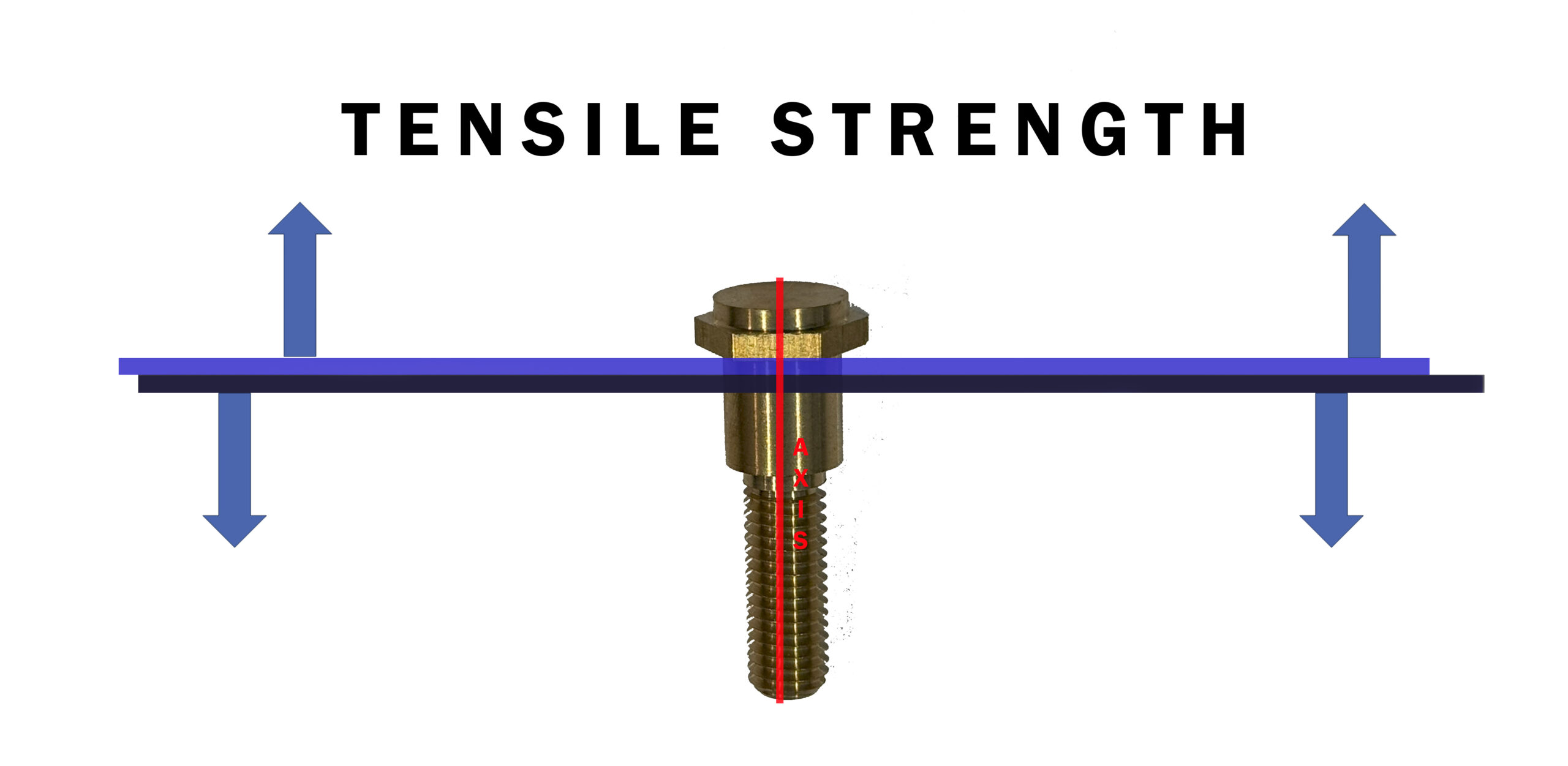
At CFI, we a majority of the people that we deal with are engineers. However, we do deal with “civilians” on a regular basis as well. That’s why we’ve put together a nice glossary of fastener terms for you to reference. Many of these are physics terms that are important
What Equipment is Essential for Top-Performing QC Departments?
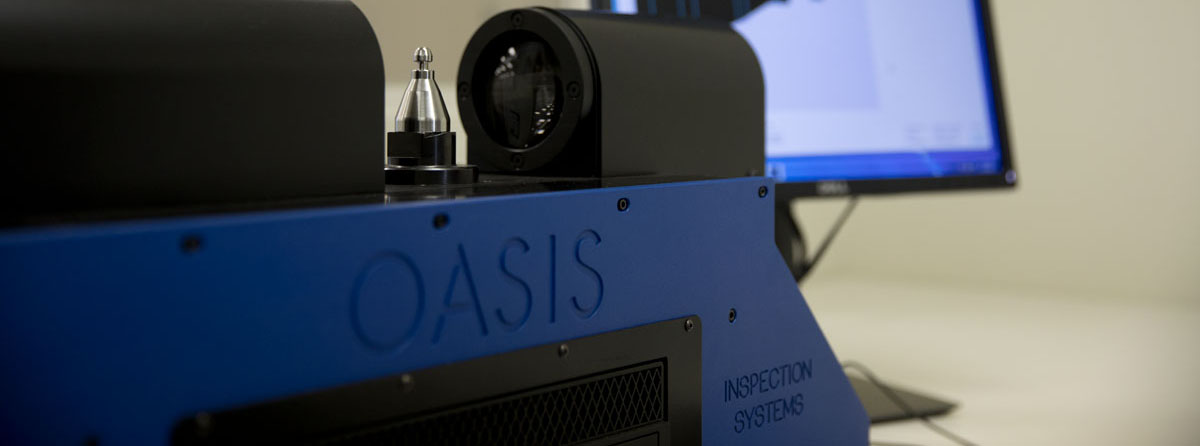
Quality Control in the component industry demands top-tier equipment—here’s what it is and how it helps clients The QC department plays a vital role in the industrial component industry, however there is a big difference between a world class QA/QC operation and a more pedestrian operation. In a standard industrial
How to Implement ISO 9001:2015 Standards for the Fastener Industry
How CFI’s ISO certification ensures consistent quality management and how it applies to the component industry Regardless of the industry, quality management is essential for success – especially with today’s discerning customers. In order to deliver a high-caliber product, that standard must go all the way down to the base
Understanding Different Thread Types and Their Uses
When you learn about the components industry, you can truly get into the weeds about the different types of threads. Here is a complete breakdown of the most commonly used thread types. While the most common types of threads are straight threads and tapered threads, there are several other types