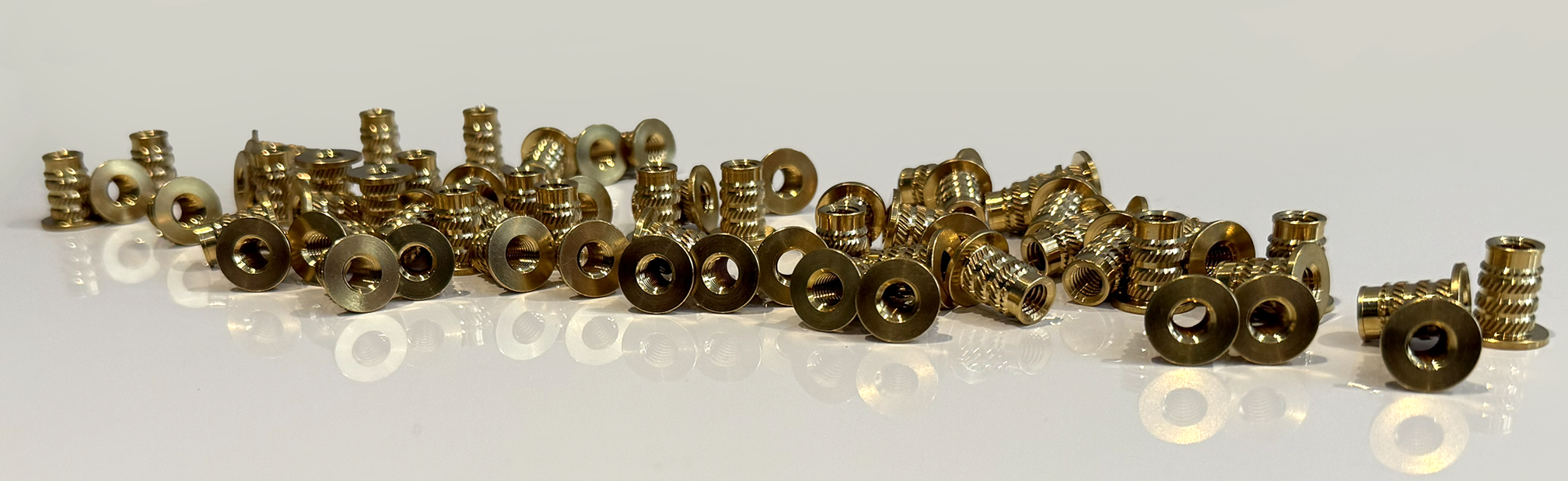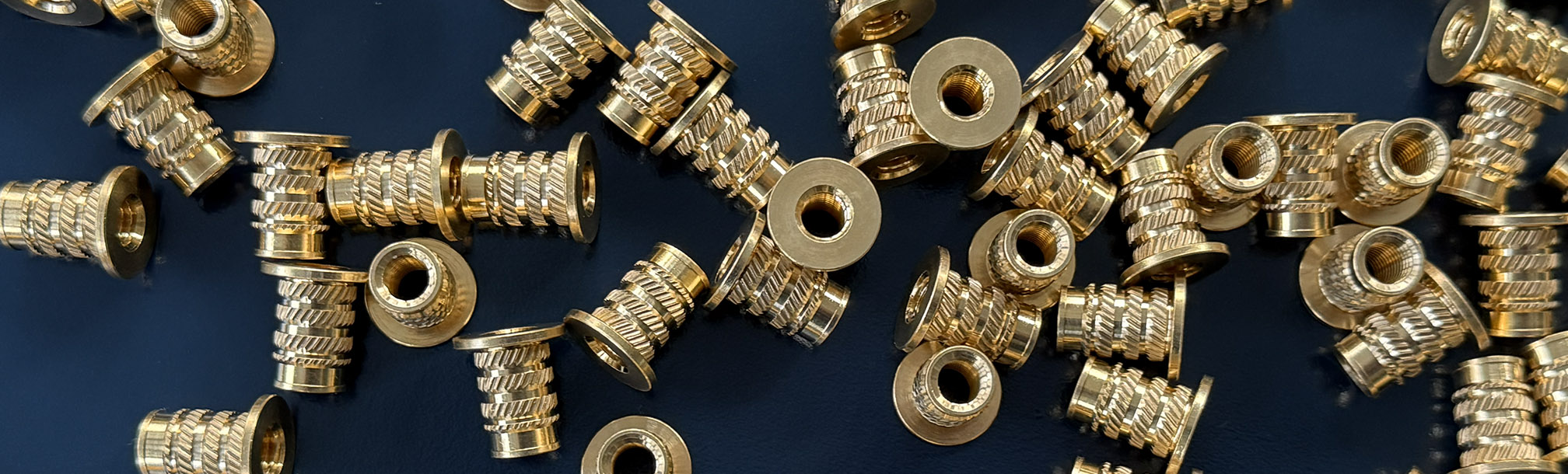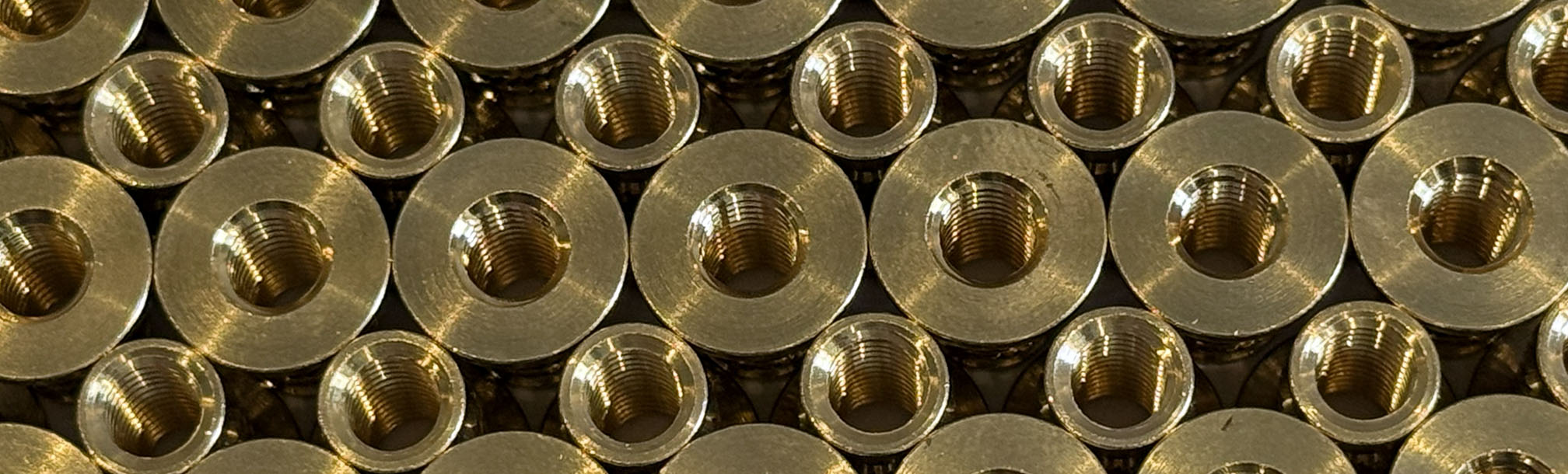
If you’re designing plastic assemblies that need to be taken apart and reassembled, you already understand that standard plastic threads simply won’t cut it. But understanding why threaded inserts are not just beneficial, but actually critical requires looking at the fundamental material science challenges that plastics present for threaded connections.
How Do Load Paths Affect the Performance of Threaded Inserts in Plastics?
When plastics engineers think about threaded inserts, the focus often goes straight to the insert itself, looking at attributes such as knurl pattern, installation method and material selection. But here’s what gets overlooked: the insert is only as good as the load path supporting it. A perfectly specified insert installed
How Does Thermal Cycling Affect Threaded Inserts in Automotive Plastics?
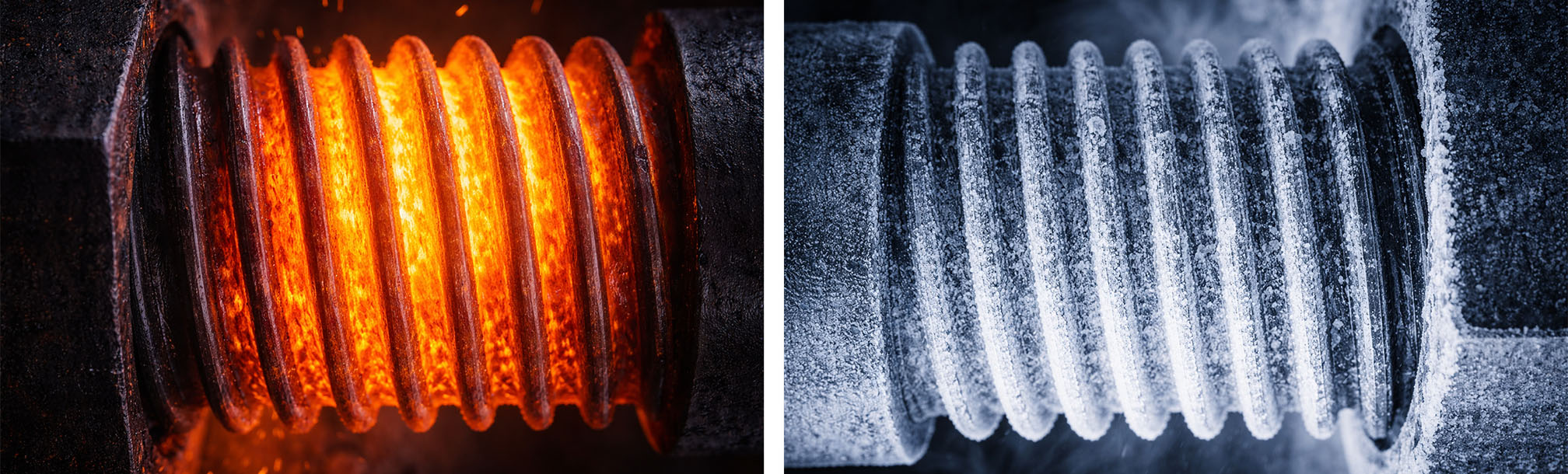
If you’re a plastics engineer working on automotive applications, thermal cycling is undoubtedly a four-letter word in your world. After all, it’s one of the most punishing environments your components will face. In addition, it places stress1 on not only your plastic and composite parts, but also places strain on
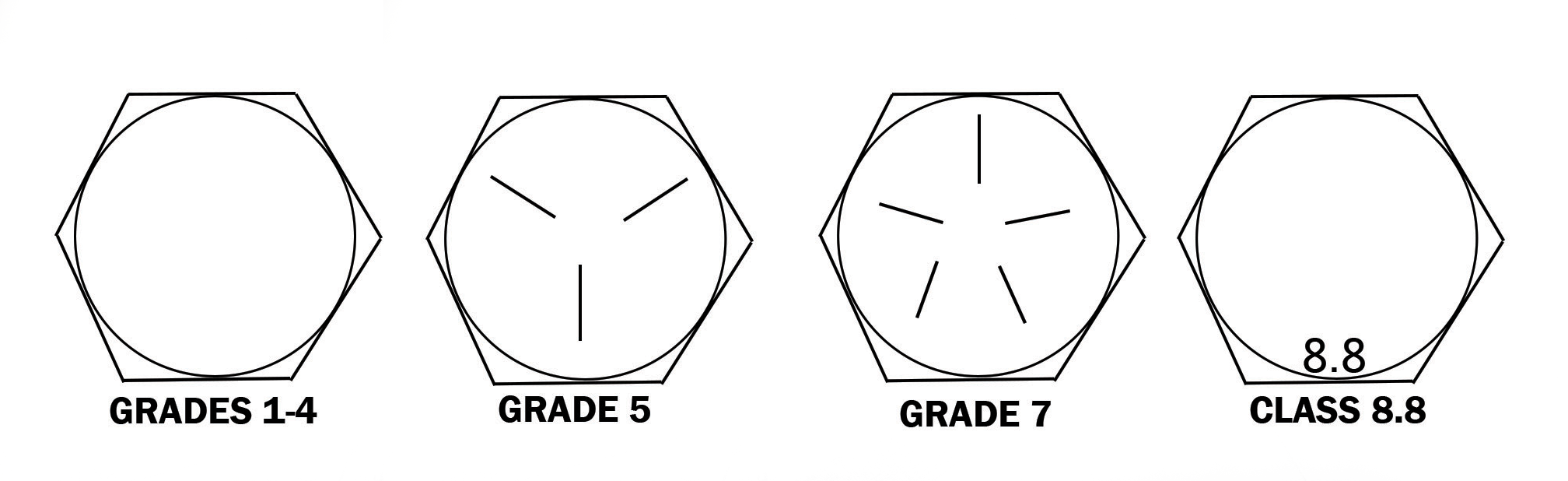
Understanding Automotive Bolt Grades and Classes
How They’re Determined by the SAE, and How They’re Identified by Markings on the Fastener Head Automotive bolted joints operate under demanding cyclic loads, high temperatures, and increasingly lightweight designs. As a result, understanding bolt grades – and the standards behind them-is essential for fastener engineers working in OEM, Tier
Plating vs. Coating vs. Anodizing in Fastener Design
Explore the critical differences between plating, coating, and anodizing, and learn how each surface treatment impacts fastener performance, corrosion resistance, and application-specific design. When designing assemblies for demanding environments, surface treatment is one of the most important fastener design decisions engineers can make. It is just as critical as fastener
Reducing Assembly Failures in Automotive Prototyping: Co-Design Strategies for Plastics and Fastener Engineers
As car designers accelerate the integration of lightweight materials into vehicle designs, collaboration between plastics and fastener engineers has become an imperative. Nowhere is this more evident than during the prototyping and pre-production stages, where fastener choices can significantly influence part performance, manufacturability, and long-term durability. When fastener integration is
Understanding Stress Distribution in Fasteners Used for Plastics and Composites
Fasteners used with plastics and composites are subjected to different forces than ones used in metals and other materials. Plastics respond in a completely different manner than metals when subjected to mechanical loads. They exhibit behaviors such as creep, anisotropy, and variable tensile strength depending on polymer type and fiber
Comparative Analysis of Zinc vs. Phosphate Coatings: What’s the Best Coating for Industrial Applications
Selecting the coating of a fastener is one of the first and most important decisions that an engineer must make. When making this decision, engineers must consider a myriad of important decisions. These decisions include: environmental conditions, corrosion resistance, temperature resistance, electrical conductivity, durability, and of course, cost of the
Should You Use Self-Tapping Screws in Plastic and Carbon Fiber Assemblies?
Balancing Strength, Speed, and Material Compatibility in Plastics and Carbon Fiber As plastics and composites replace the use of metals in major industries, the question of how best to fasten complex assemblies is more relevant than ever. Self-tapping screws—fasteners that cut their own threads during installation—offer compelling benefits in these
Choosing the Correct Fastener for Composite Materials and Plastics
How to Select Fasteners that Match the Properties of Composites and Plastics Arguably, nothing has revolutionized technological advancement and product design in key industries over the last 75 years like plastics and composites. Advancements in plastic and composite assemblies have driven advancements in key arenas such as aerospace, automotive, medical,