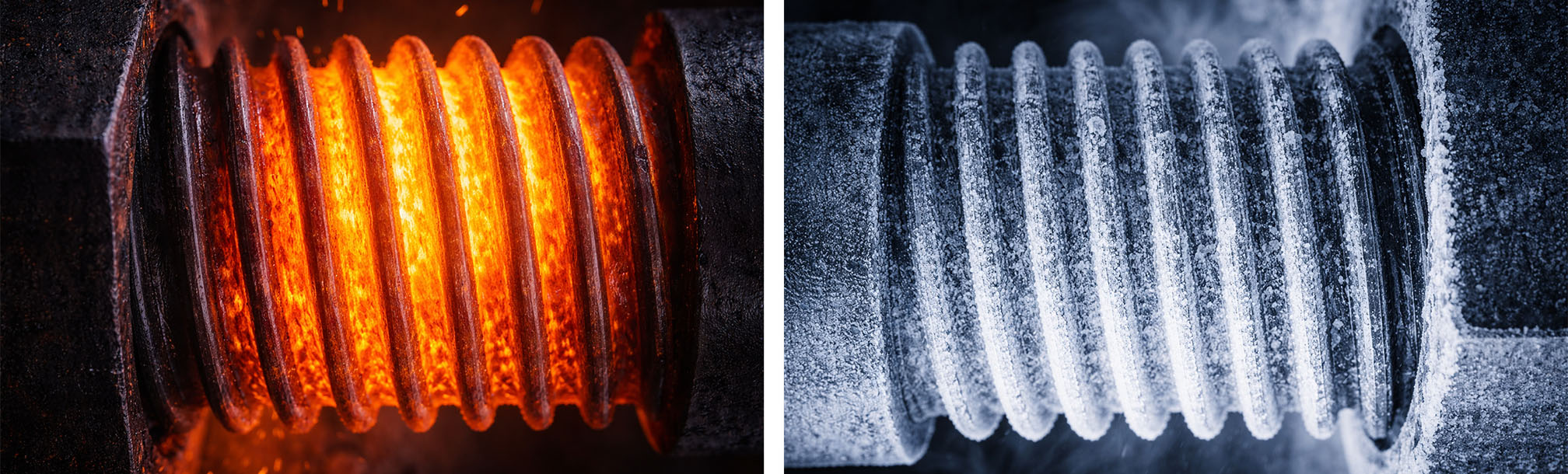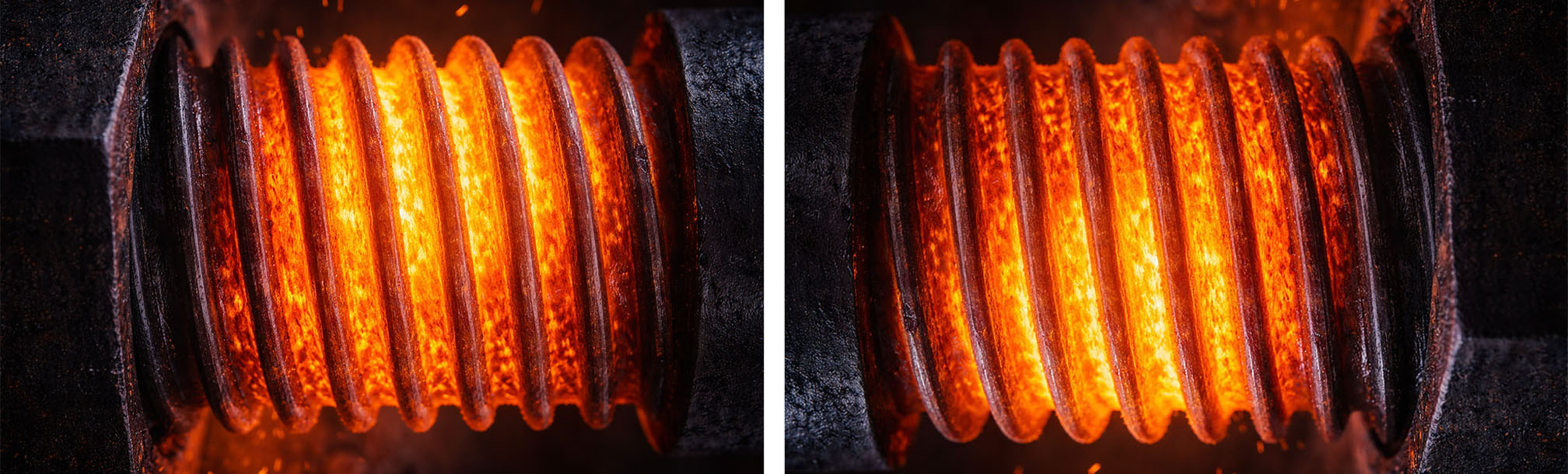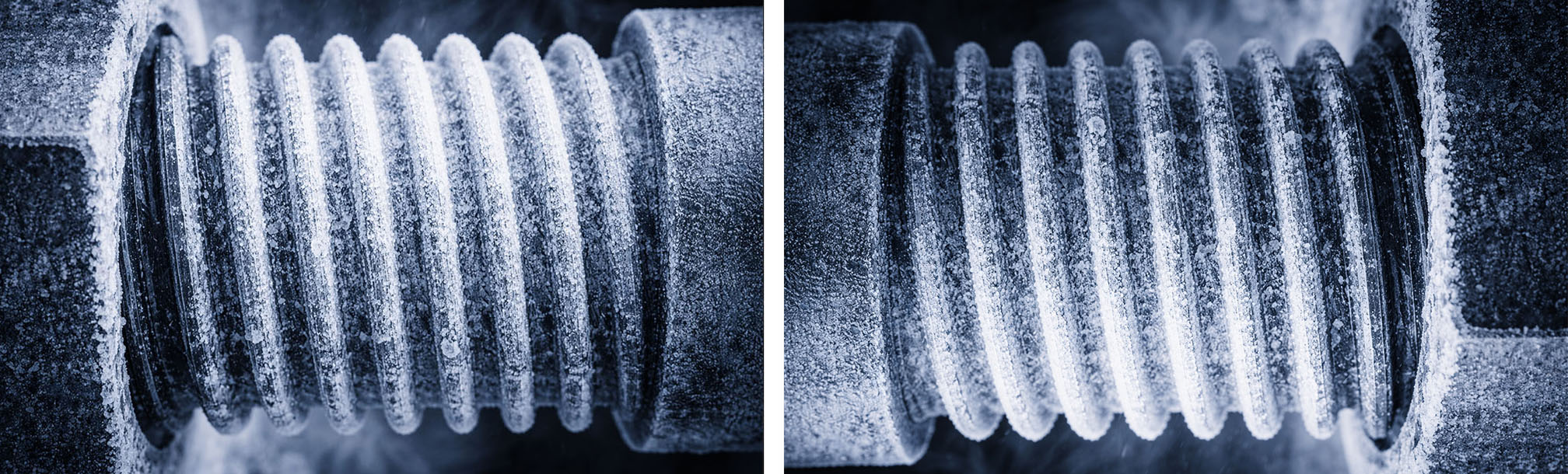
OK, we’ve asked the basic questions of what hot forging and cold heading are – now it’s time to get down to the nitty gritty. Which one of these processes should you choose? For fastener engineers, selecting the right manufacturing process can significantly impact product performance, production costs, and lead
What is Hot Forging?
Hot forging represents a critical manufacturing process for fasteners exceeding M36 diameter and for applications involving high-performance materials such as titanium alloys in aerospace applications. A comprehensive understanding of hot forging is essential for informed design decisions in fastener engineering. Technical Definition Hot forging is the plastic deformation of metal
What Is Cold Heading? A Complete Beginner’s Guide for Engineers
When you’re designing fasteners for potential project, understanding the manufacturing process can significantly impact your design decisions, costs, and product performance. One of these fastener manufacturing processes, cold heading – also called cold forming – is one of the most efficient and reliable manufacturing processes for producing high-strength fasteners and
Plating vs. Coating vs. Anodizing in Fastener Design
Explore the critical differences between plating, coating, and anodizing, and learn how each surface treatment impacts fastener performance, corrosion resistance, and application-specific design. When designing assemblies for demanding environments, surface treatment is one of the most important fastener design decisions engineers can make. It is just as critical as fastener
Reducing Assembly Failures in Automotive Prototyping: Co-Design Strategies for Plastics and Fastener Engineers
As car designers accelerate the integration of lightweight materials into vehicle designs, collaboration between plastics and fastener engineers has become an imperative. Nowhere is this more evident than during the prototyping and pre-production stages, where fastener choices can significantly influence part performance, manufacturability, and long-term durability. When fastener integration is
Understanding Stress Distribution in Fasteners Used for Plastics and Composites
Fasteners used with plastics and composites are subjected to different forces than ones used in metals and other materials. Plastics respond in a completely different manner than metals when subjected to mechanical loads. They exhibit behaviors such as creep, anisotropy, and variable tensile strength depending on polymer type and fiber
Comparative Analysis of Zinc vs. Phosphate Coatings: What’s the Best Coating for Industrial Applications
Selecting the coating of a fastener is one of the first and most important decisions that an engineer must make. When making this decision, engineers must consider a myriad of important decisions. These decisions include: environmental conditions, corrosion resistance, temperature resistance, electrical conductivity, durability, and of course, cost of the
Should You Use Self-Tapping Screws in Plastic and Carbon Fiber Assemblies?
Balancing Strength, Speed, and Material Compatibility in Plastics and Carbon Fiber As plastics and composites replace the use of metals in major industries, the question of how best to fasten complex assemblies is more relevant than ever. Self-tapping screws – fasteners that cut their own threads during installation – offer
Choosing the Correct Fastener for Composite Materials and Plastics
How to Select Fasteners that Match the Properties of Composites and Plastics Arguably, nothing has revolutionized technological advancement and product design in key industries over the last 75 years like plastics and composites. Advancements in plastic and composite assemblies have driven advancements in key arenas such as aerospace, automotive, medical,
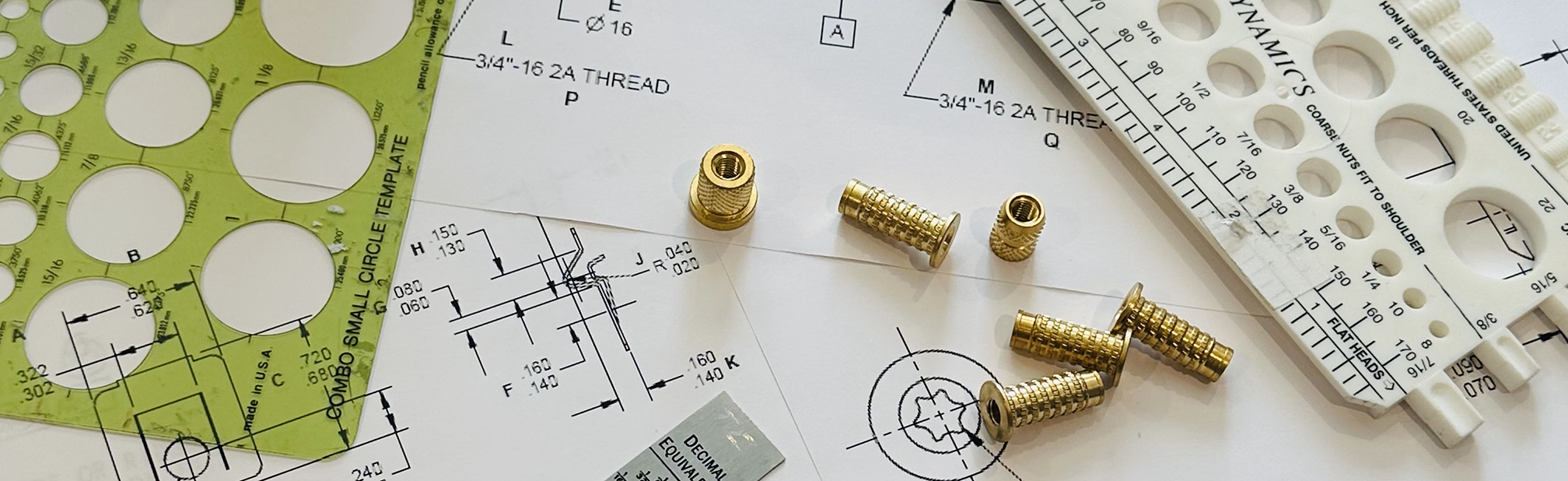
Fastener Material Guide: Comparing Brass, Steel, Aluminum, and Titanium
When designing a new product, thousands of seemingly minute engineering decisions turn into the final product. One of the most important decisions is choosing the fastener materials. While it may not sound like a big decision to a layman, it can have a profound downstream effect on the build quality,