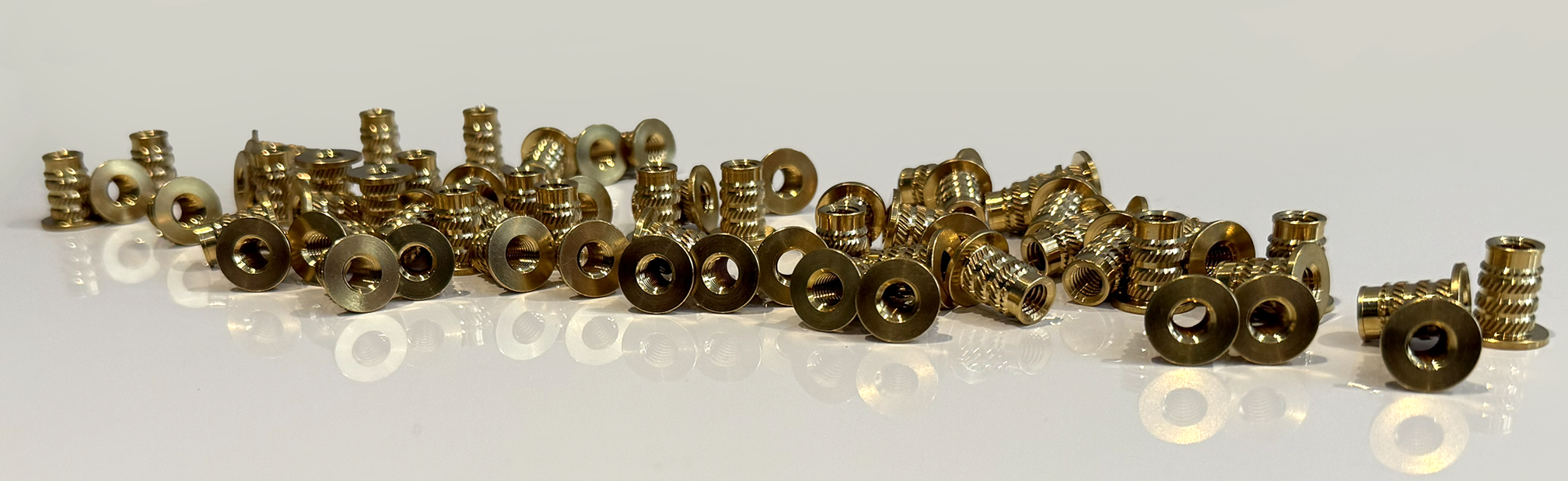
Threaded Inserts

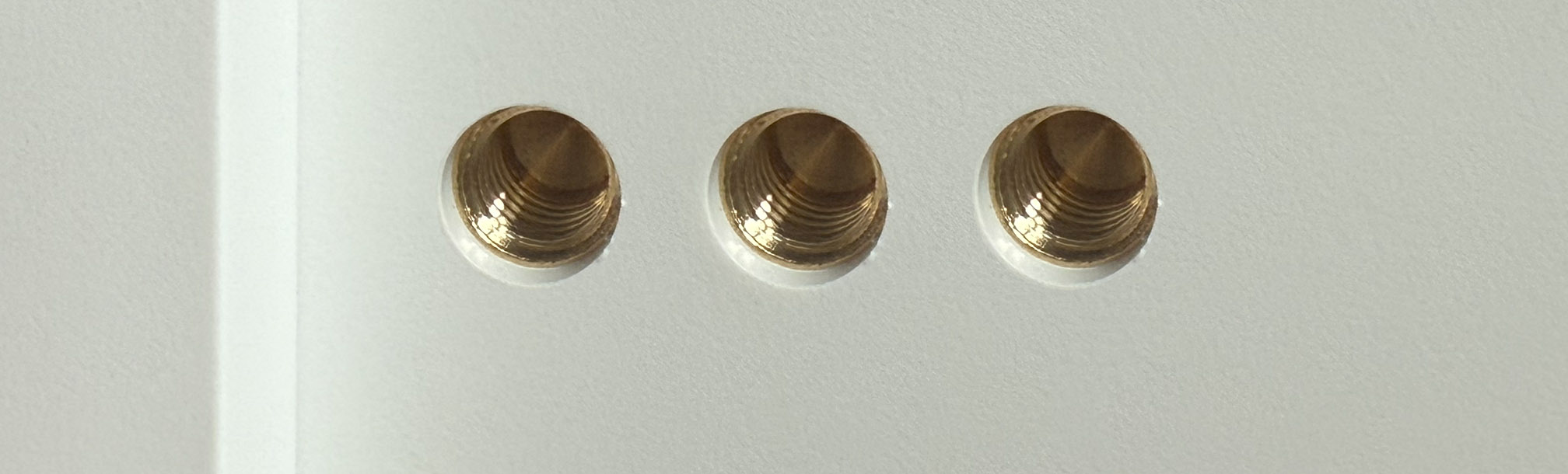
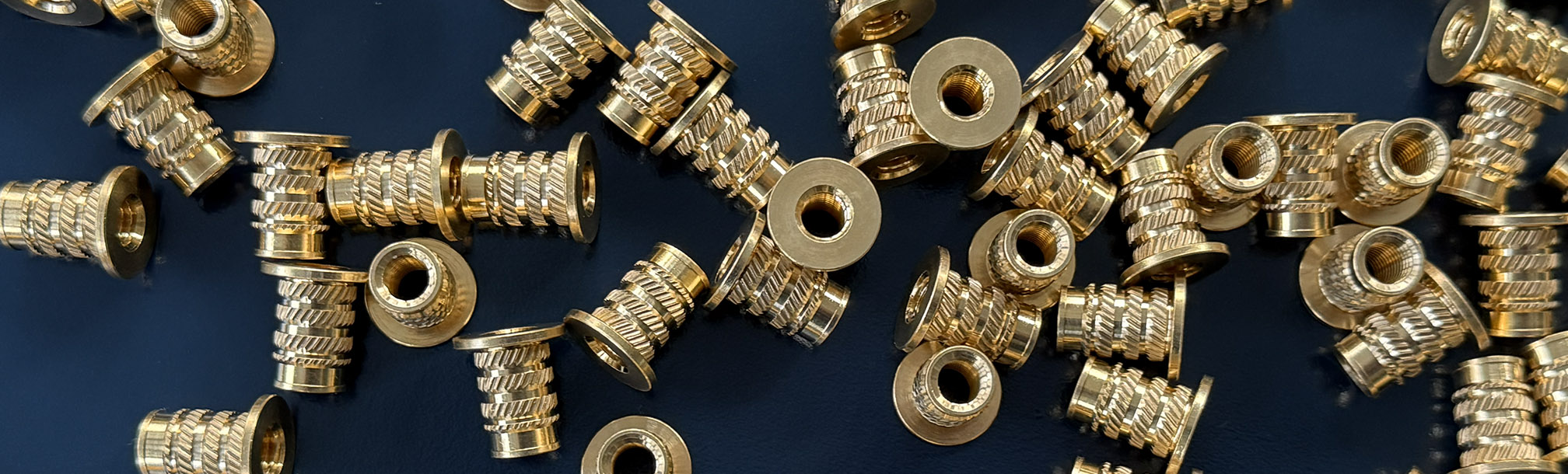
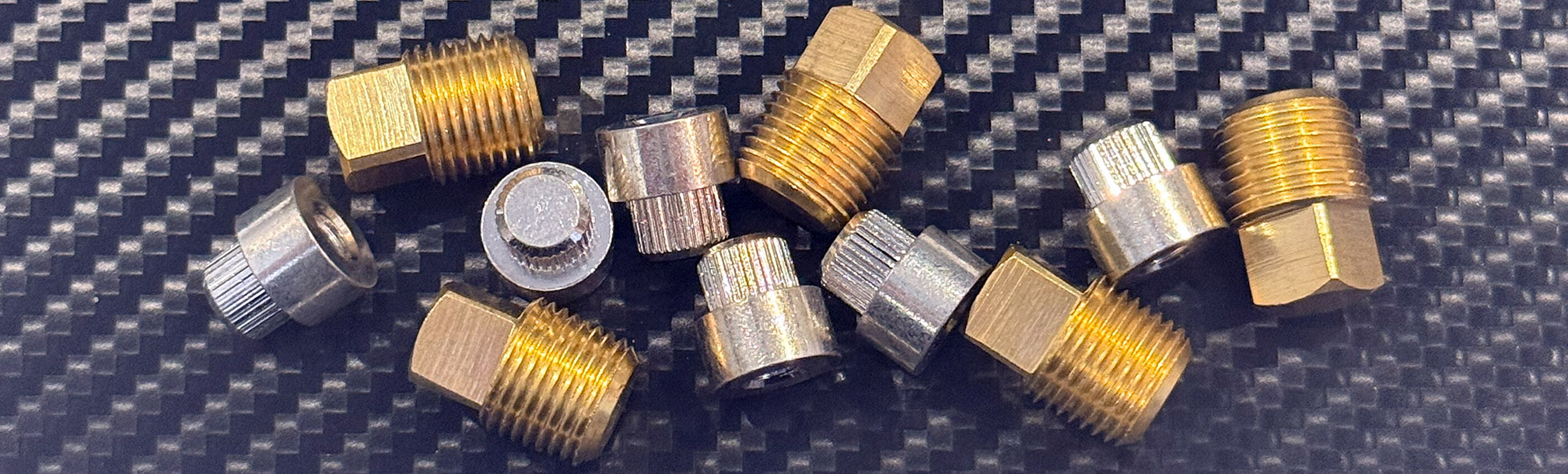
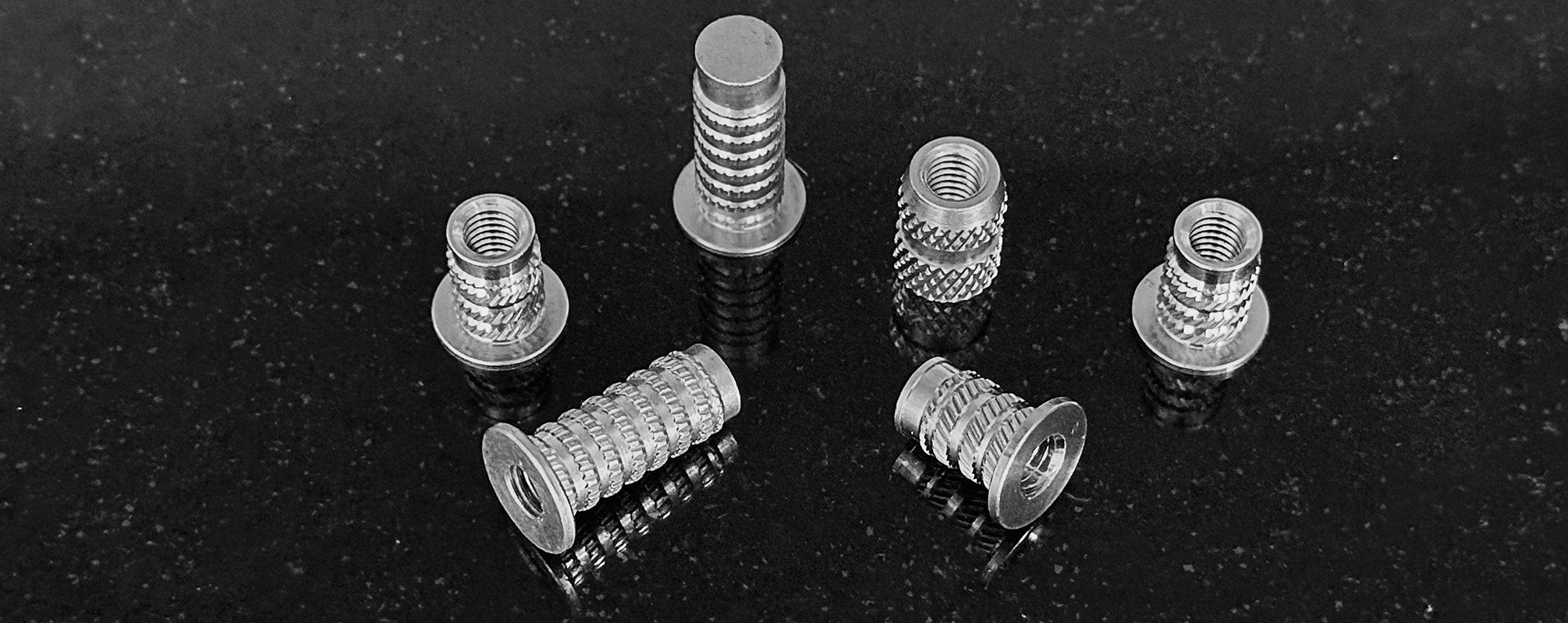
Threaded inserts are fasteners that provide secure and reusable threaded holes for screws and bolts when the base material is not strong enough to ensure long-lasting durability. They are commonly used in softer materials such as soft metals, alloys, plastics, composites, and woods where native threads can break or deform when mated screws and bolts are over-tightened.

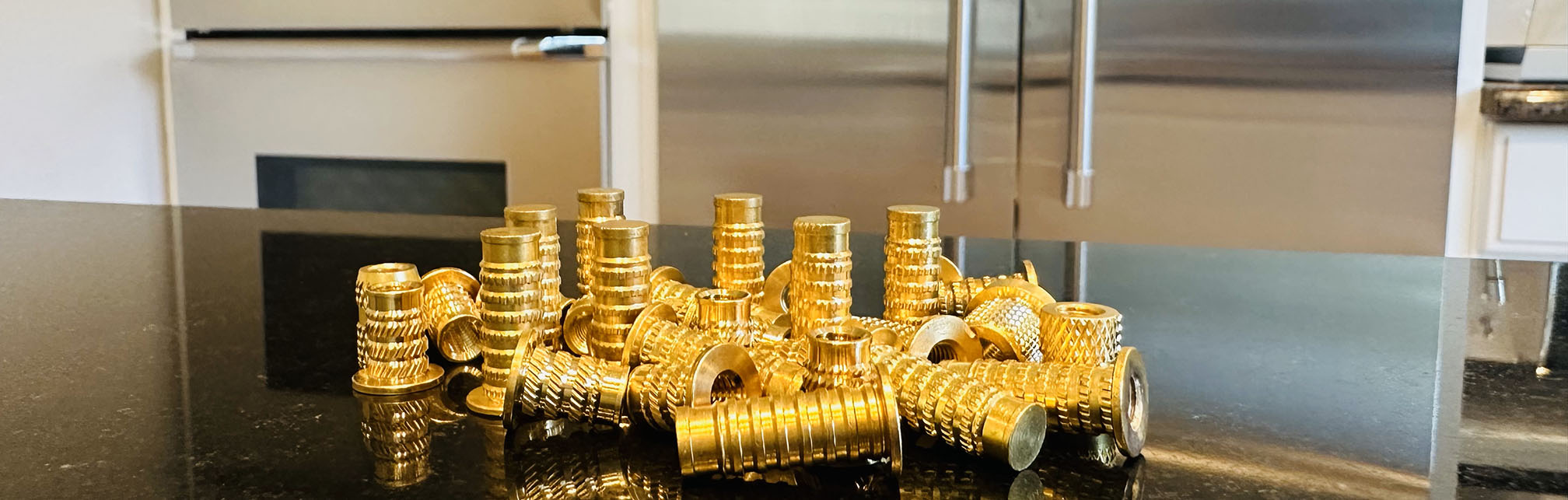
Threaded inserts are typically made from brass, stainless steel and aluminum. Materials are chosen by corrosion resistance, heat resistance, vibration resistance, thermal expansion compatibility, and other factors, depending on their compatibility with the base material.

For more information about threaded inserts or other types of industrial components, contact Components for Industry at 847-918-0333 or sales@componentsforindustry.com.

How Do Inserts Perform in Carbon Fiber Composites?

Threaded Inserts on Carbon Fiber

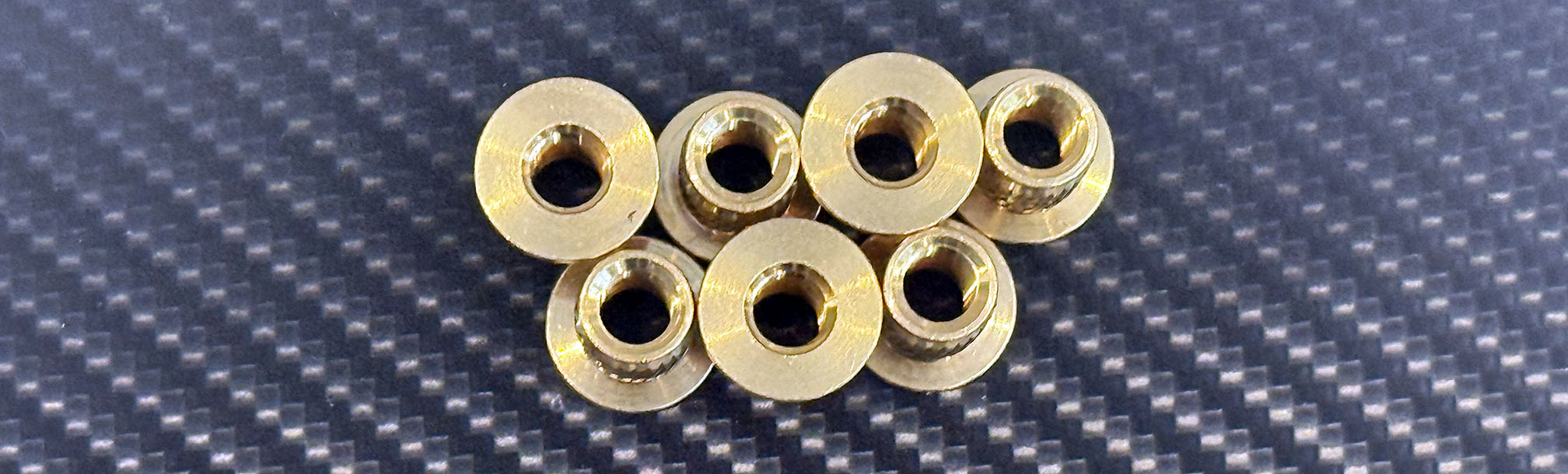
Carbon fiber reinforced polymers (CFRP) have transformed aerospace, automotive, and high-performance applications by delivering exceptional strength-to-weight ratios and fatigue resistance. But how do you create reliable threaded connections in a material that’s fundamentally different from the metals we’ve been fastening for over a century? Threaded inserts. However, their performance in

What Are the Key Differences Between Brass, Steel, and Plastic Threaded Inserts, and When Should You Use Each Material?

Alternating Brass Inserts

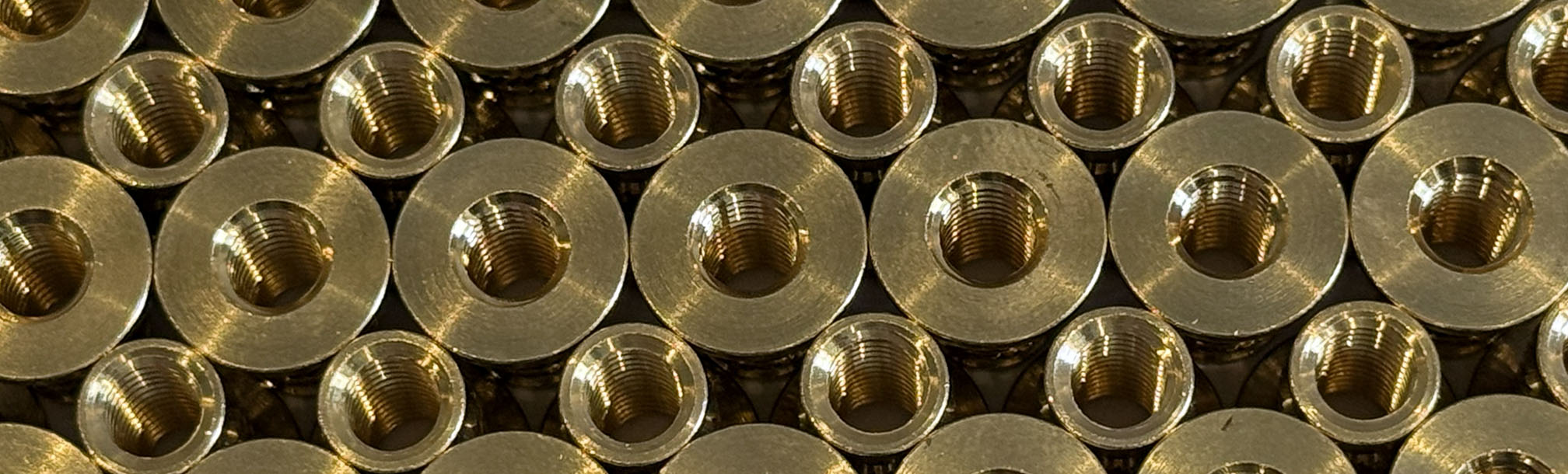
When purchasing threaded inserts for plastic assemblies, the material choice directly impacts performance, cost, and reliability. While we’ve litigated this topic before, we keep seeing additional interest in our data, we thought we might provide something a little easier to digest about threaded inserts. Brass absolutely dominates the market. We’re