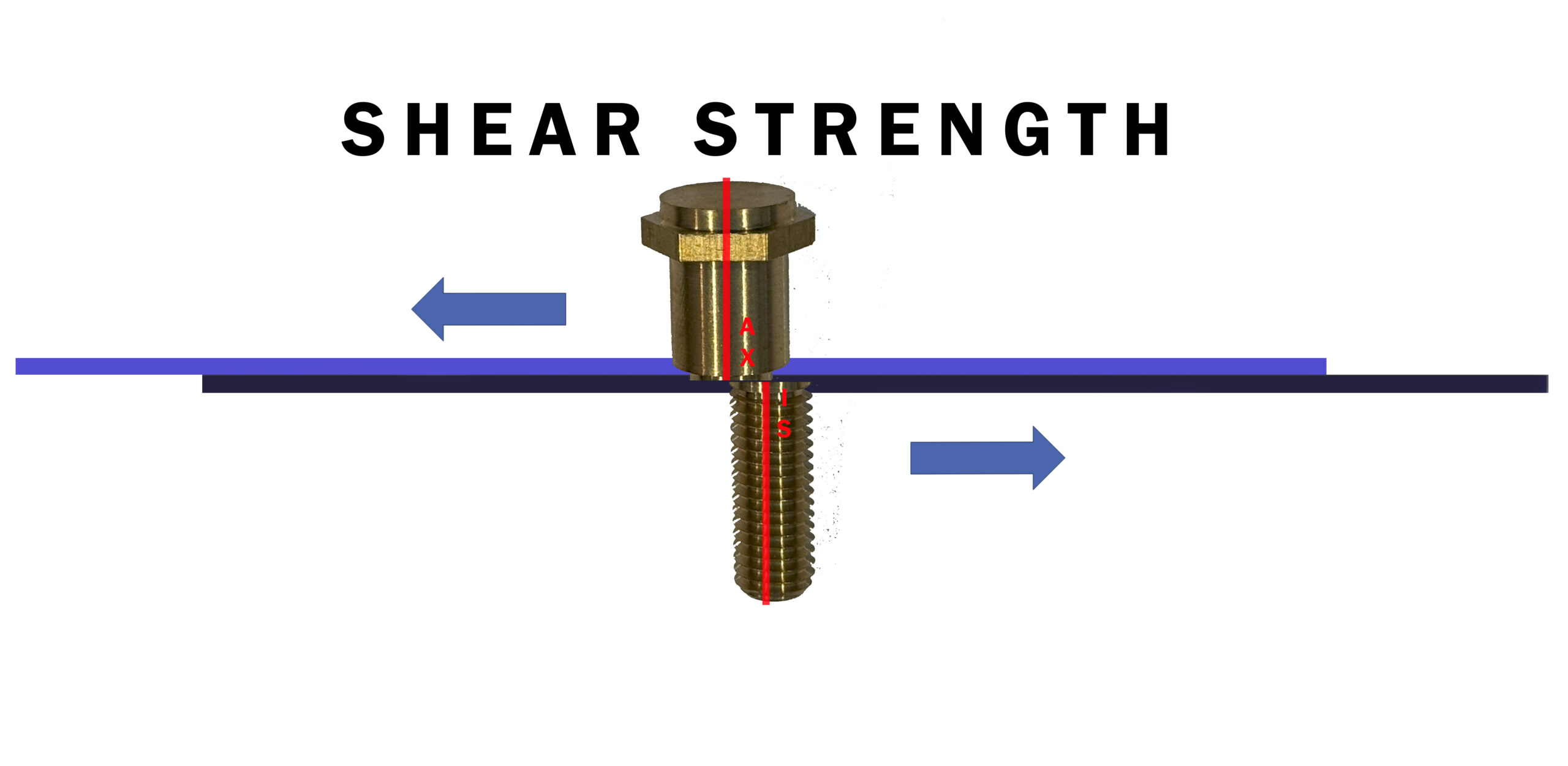
Why traditional fastener designs may not work Over the last two decades – especially with the advent of heavy batteries in the automotive industry – the race for lightweight and high-performance composite assemblies has taken center stage. These assemblies, typically made from composites like carbon fiber and CFRP have become

Threaded Inserts
Threaded inserts are fasteners that provide secure and reusable threaded holes for screws and bolts when the base material is not strong enough to ensure long-lasting durability. They are commonly used in softer materials such as soft metals, alloys, plastics, composites, and woods where native threads can break or deform when mated screws and bolts are over-tightened.
Threaded inserts are typically made from brass, stainless steel and aluminum. Materials are chosen by corrosion resistance, heat resistance, vibration resistance, thermal expansion compatibility, and other factors, depending on their compatibility with the base material.
For more information about threaded inserts or other types of industrial components, contact Components for Industry at 847-918-0333 or sales@componentsforindustry.com.
Strength and Aesthetics: Fastener Integration Without Marring Injection-Molded Surfaces
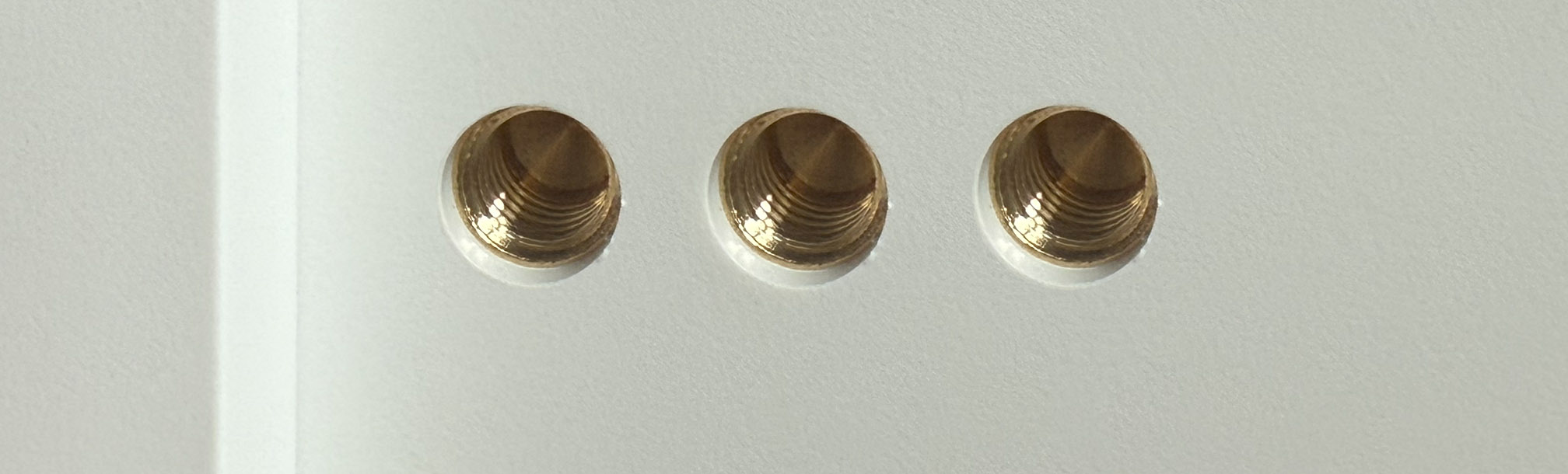
How to Conceal Fasteners Without Compromising Design Strength In automotive industry product design, achieving both strength and aesthetics can be especially challenging. While incorporating fasteners are essential to the end design for reliable assembly, they can leave unsightly cosmetic flaws on injection molded surfaces. However, built from the ground-up with
Heat Set Inserts vs. Ultrasonic Inserts: Optimizing Fastener Selection for Injection Molded Plastic Assemblies
Fastener selection plays a vital role in determining long-term part integrity, assembly repeatability, and structural performance. Among the most widely used fastening methods for thermoplastics are heat set inserts and ultrasonic inserts. Both methods deliver durable, threaded metal connections, but they differ in how they interact with molded materials and
The Rise of Lightweight Fasteners: Meeting the Demands of EV and Aerospace Sectors
Why Fasteners Matter More Than Ever in Lightweighting Strategies As electric vehicles (EVs) and aerospace applications push the boundaries of lightweight design, every gram counts in modern designs. Engineers in these sectors know that fasteners – while often overlooked – can collectively contribute significant mass to modern designs. With automotive
What Inserts Are Used in Plastic Battery Housings and EV Components?
The shift to electric vehicles has quietly become one of the more demanding proving grounds for fastener and insert technology. EV platforms impose requirements that don’t often coexist in conventional automotive design: lightweight plastic housings that must meet structural load requirements, thermal cycling ranges far exceeding traditional underhood environments, vibration